blade steel | 1095 carbon steel
HRC | ~63
overall Length | 225mm
blade length | 117mm
blade height at heel | 42mm
spine thickness at handle - mid - tip | 2.8mm - 2.1mm - 0.8mm
handle material | reclaimed chopping block (likely Lignum Vitae)
ferrule material | reclaimed brass tag stamp, corian sink cutout
weight: 103g
I am aiming to make a full set of knives from 01-08, this is a prototype for my 03 line of knives and is one of two I made. I am aiming to make a brutalist inspired small santoku style knife ideal for preparing vegetables, fish, or meat.
This knife’s mono-steel blade is made from 1095 carbon steel. It is similar in composition to the Hitachi White line of steels, with high levels of carbon and very few impurities. This steel performs at a high level while offering greater toughness and similar edge retention than its Japanese counterparts. It takes extremely fine edges and is easy to sharpen while producing very fine burrs.
With an asymmetrical forging and symmetrical grind, this knife is designed for a right-handed user. The left side of the blade is smooth, allowing the full-length hamon to be visible, while the right side is heavily forged.
The takedown handle is made from wood i recovered from a friends business shortly after he acquired it. while helping him sort out his new business i noticed a particularly heavy 250mm tall stump the previous owners had used for chopping things on. The saw mill I had it milled at believes it to be lignum vitae, a wood used in previous times for propeller shafts of boats due to its high oil content, extreme strength, and self lubricating properties. the wood was polished up to a fine finish and left raw as no finish will penetrate its oil dense interior. As I only use locally sourced or reclaimed materials this wood is in incredibly short supply with only enough material to handle a few dozen knives and is reserved for the best piece from each batch.
Each knife comes securely stored in its own wooden sheath and wrapped in a furoshiki.
blade steel | 1095 carbon steel
HRC | ~63
overall Length | 225mm
blade length | 117mm
blade height at heel | 42mm
spine thickness at handle - mid - tip | 2.8mm - 2.1mm - 0.8mm
handle material | reclaimed chopping block (likely Lignum Vitae)
ferrule material | reclaimed brass tag stamp, corian sink cutout
weight: 103g
I am aiming to make a full set of knives from 01-08, this is a prototype for my 03 line of knives and is one of two I made. I am aiming to make a brutalist inspired small santoku style knife ideal for preparing vegetables, fish, or meat.
This knife’s mono-steel blade is made from 1095 carbon steel. It is similar in composition to the Hitachi White line of steels, with high levels of carbon and very few impurities. This steel performs at a high level while offering greater toughness and similar edge retention than its Japanese counterparts. It takes extremely fine edges and is easy to sharpen while producing very fine burrs.
With an asymmetrical forging and symmetrical grind, this knife is designed for a right-handed user. The left side of the blade is smooth, allowing the full-length hamon to be visible, while the right side is heavily forged.
The takedown handle is made from wood i recovered from a friends business shortly after he acquired it. while helping him sort out his new business i noticed a particularly heavy 250mm tall stump the previous owners had used for chopping things on. The saw mill I had it milled at believes it to be lignum vitae, a wood used in previous times for propeller shafts of boats due to its high oil content, extreme strength, and self lubricating properties. the wood was polished up to a fine finish and left raw as no finish will penetrate its oil dense interior. As I only use locally sourced or reclaimed materials this wood is in incredibly short supply with only enough material to handle a few dozen knives and is reserved for the best piece from each batch.
Each knife comes securely stored in its own wooden sheath and wrapped in a furoshiki.


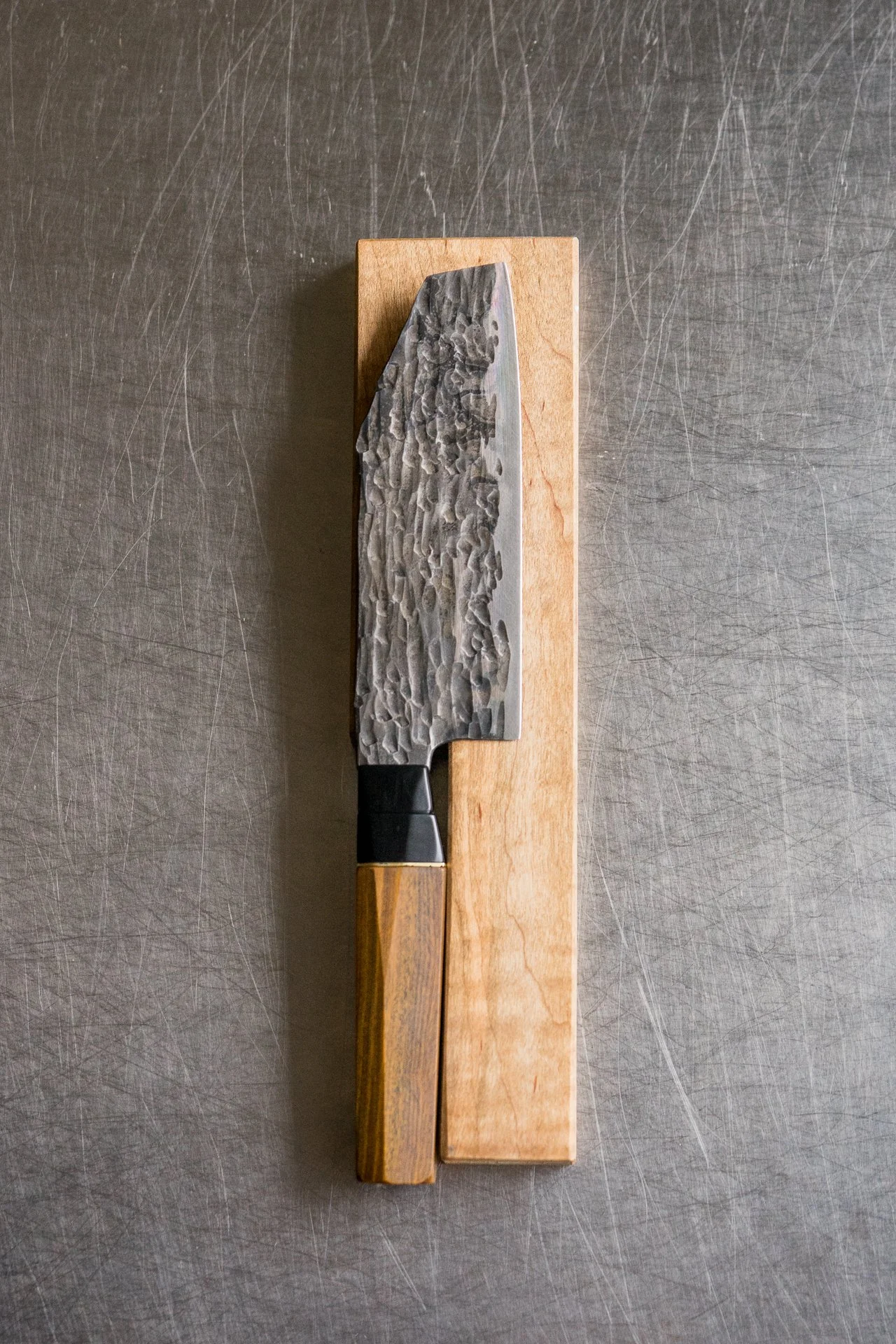 Image 1 of 14
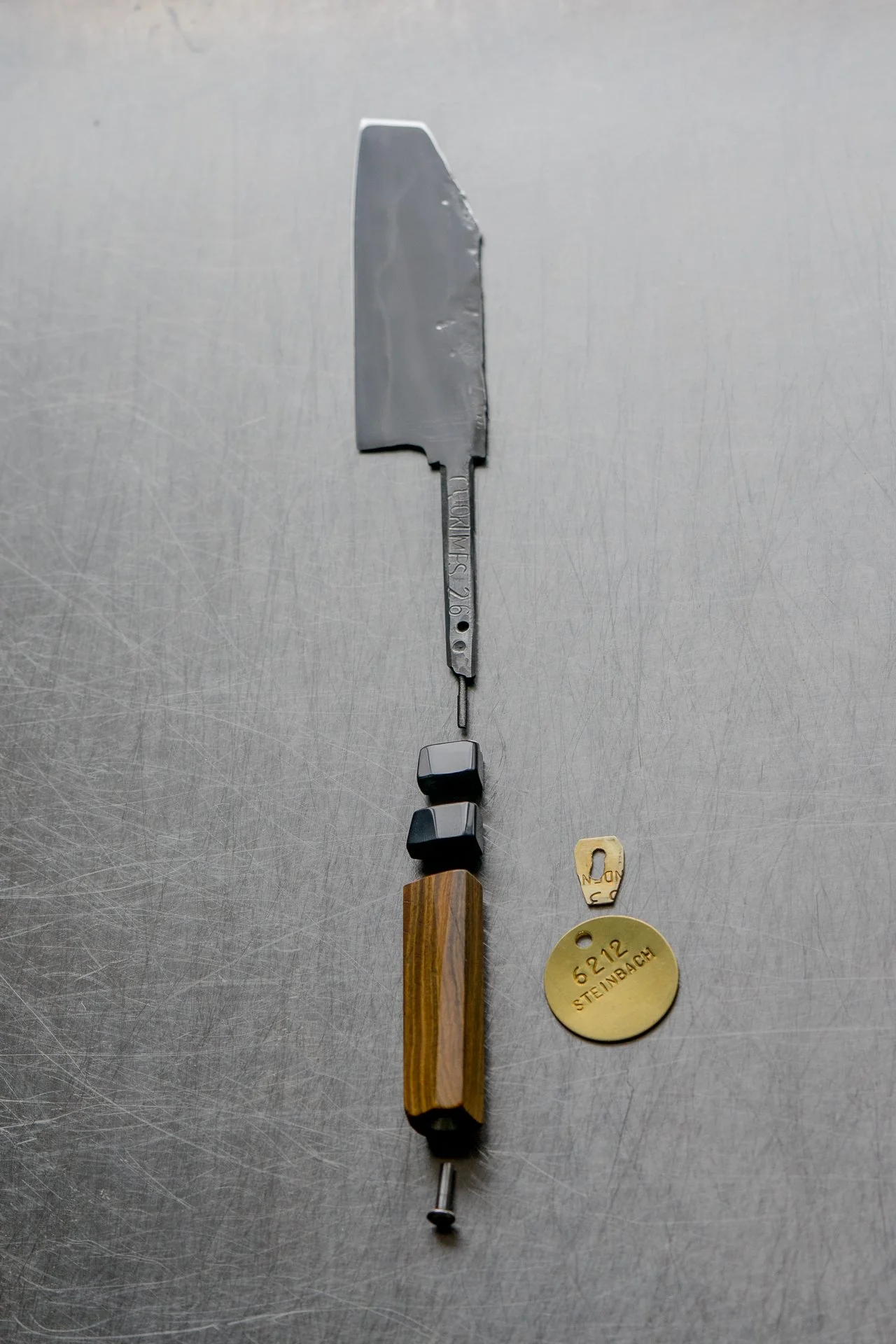 Image 2 of 14
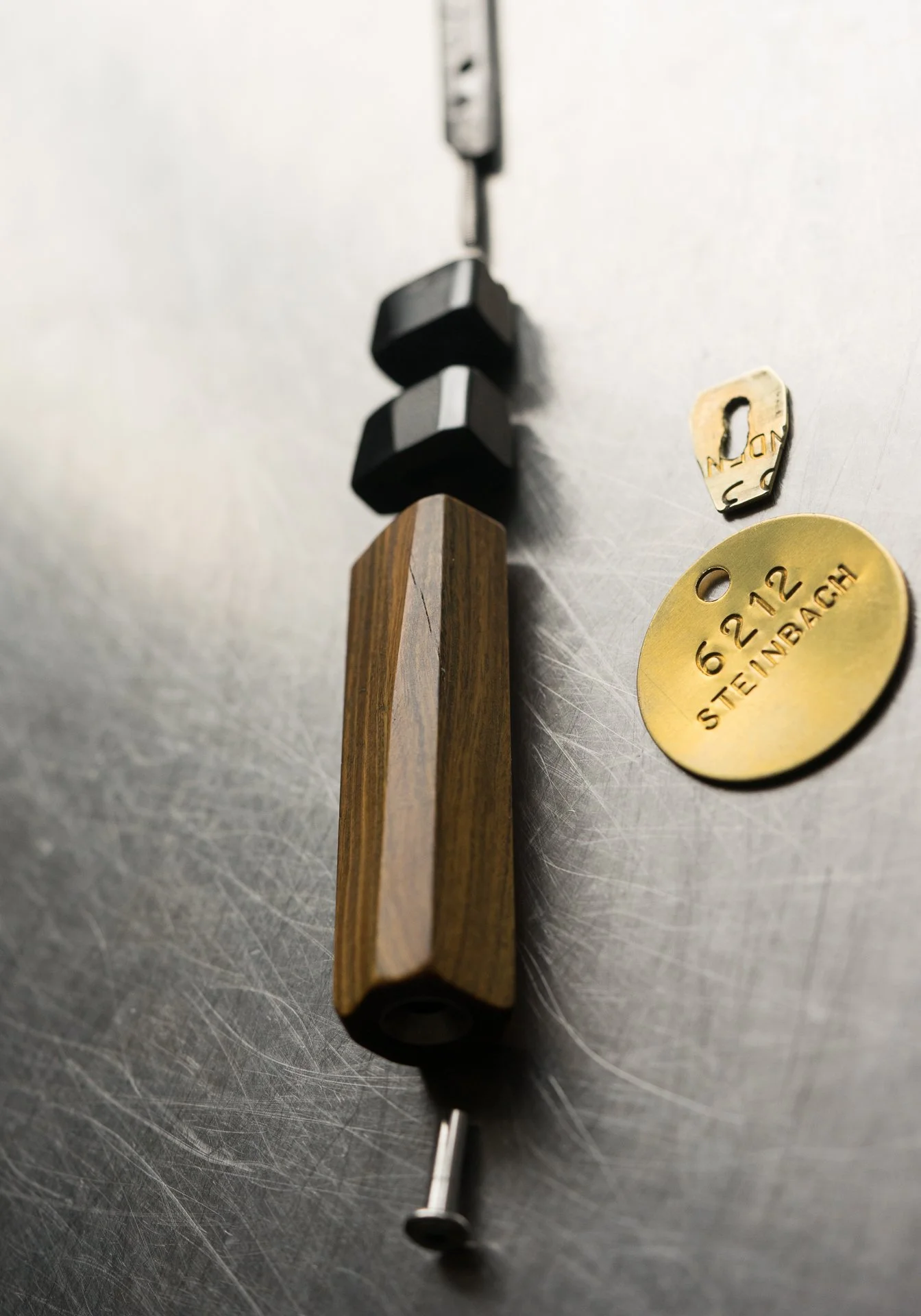 Image 3 of 14
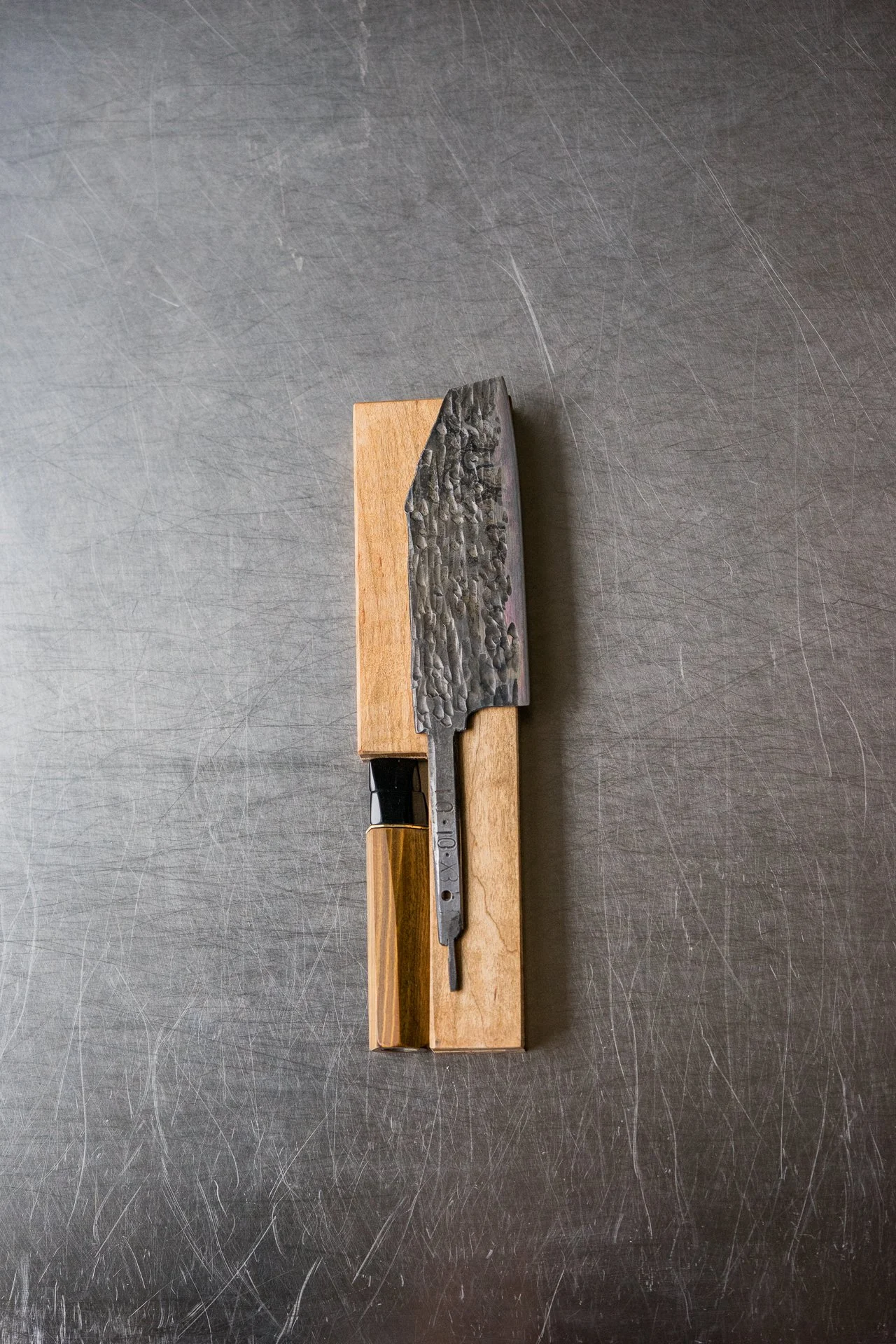 Image 4 of 14
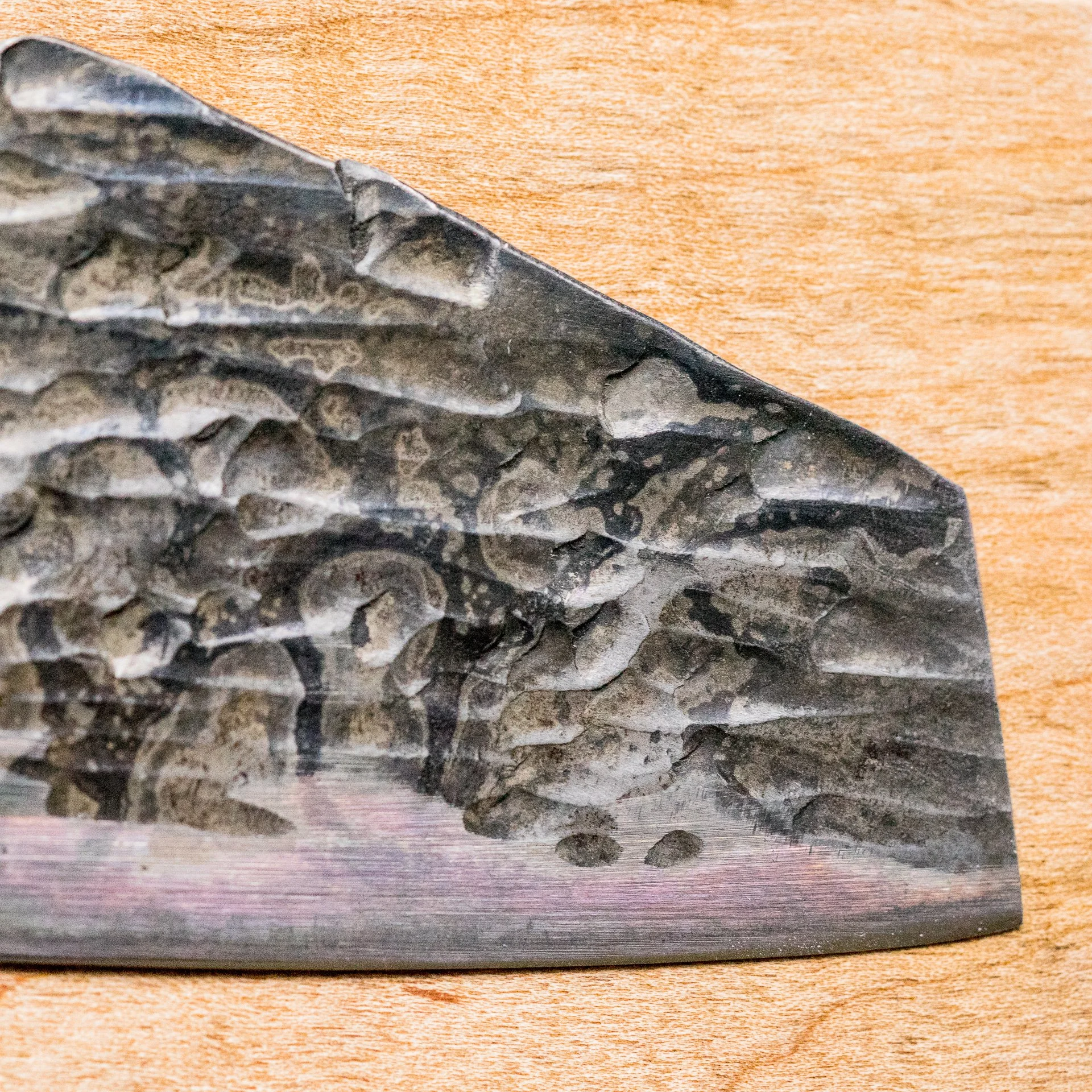 Image 5 of 14
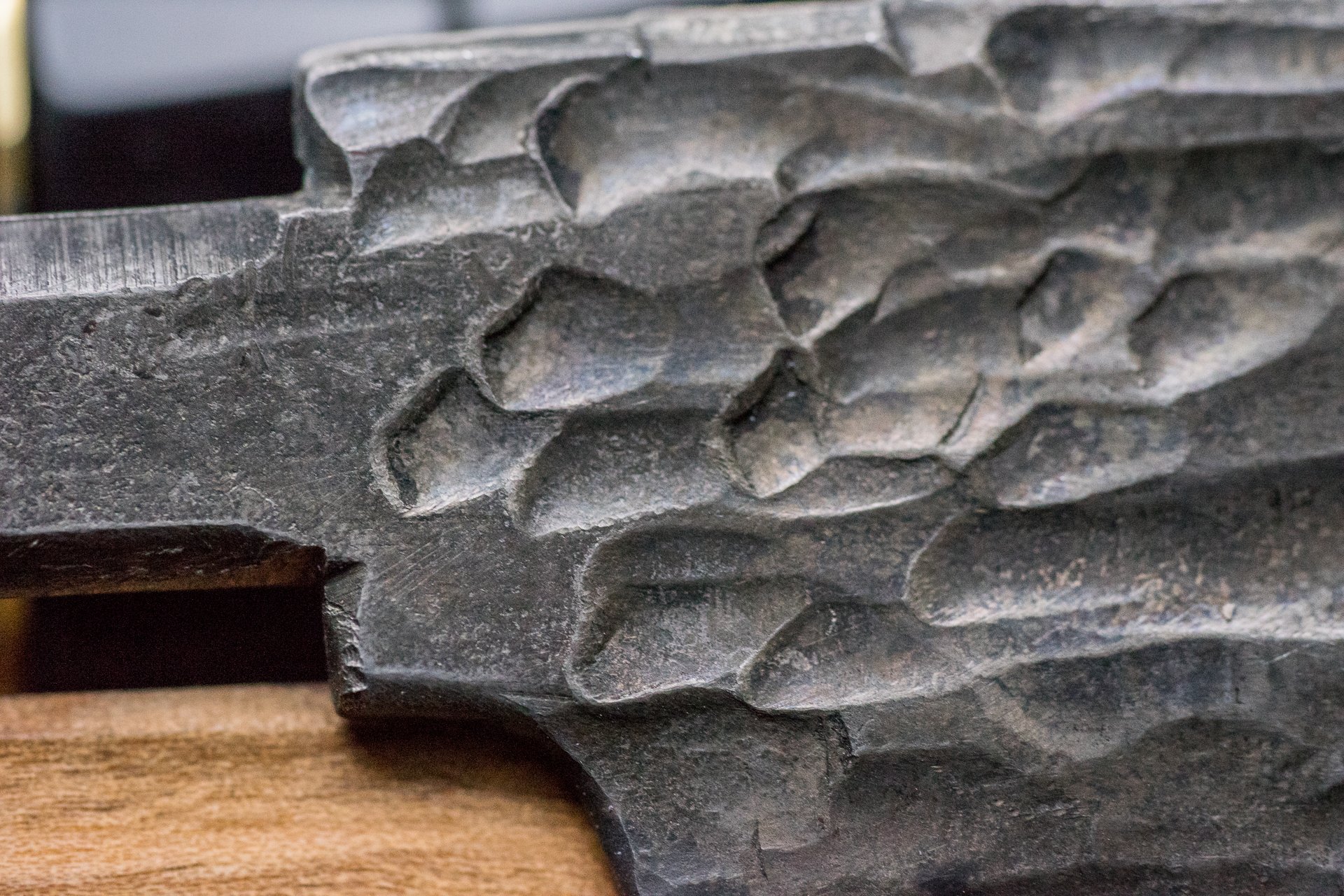 Image 6 of 14
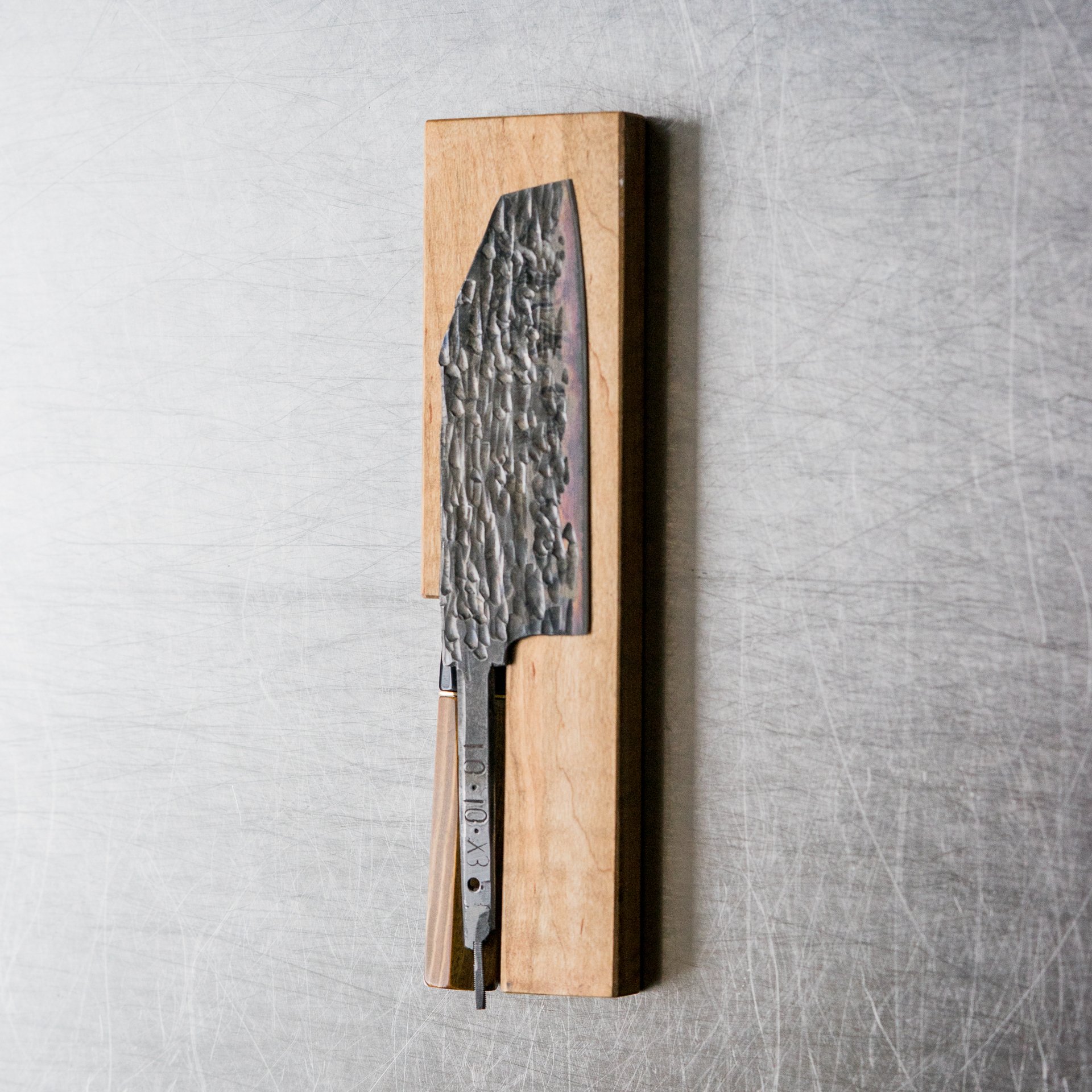 Image 7 of 14
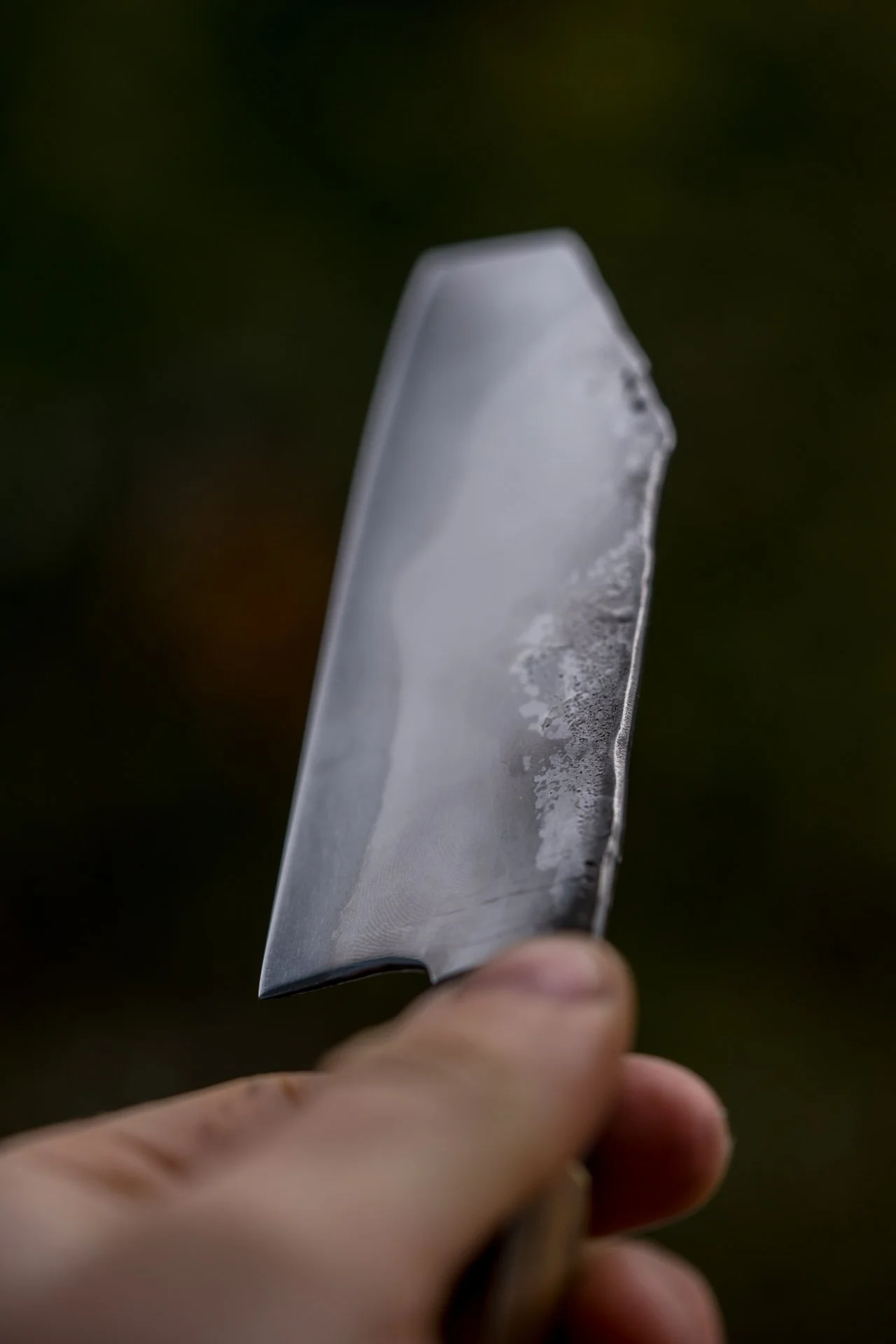 Image 8 of 14
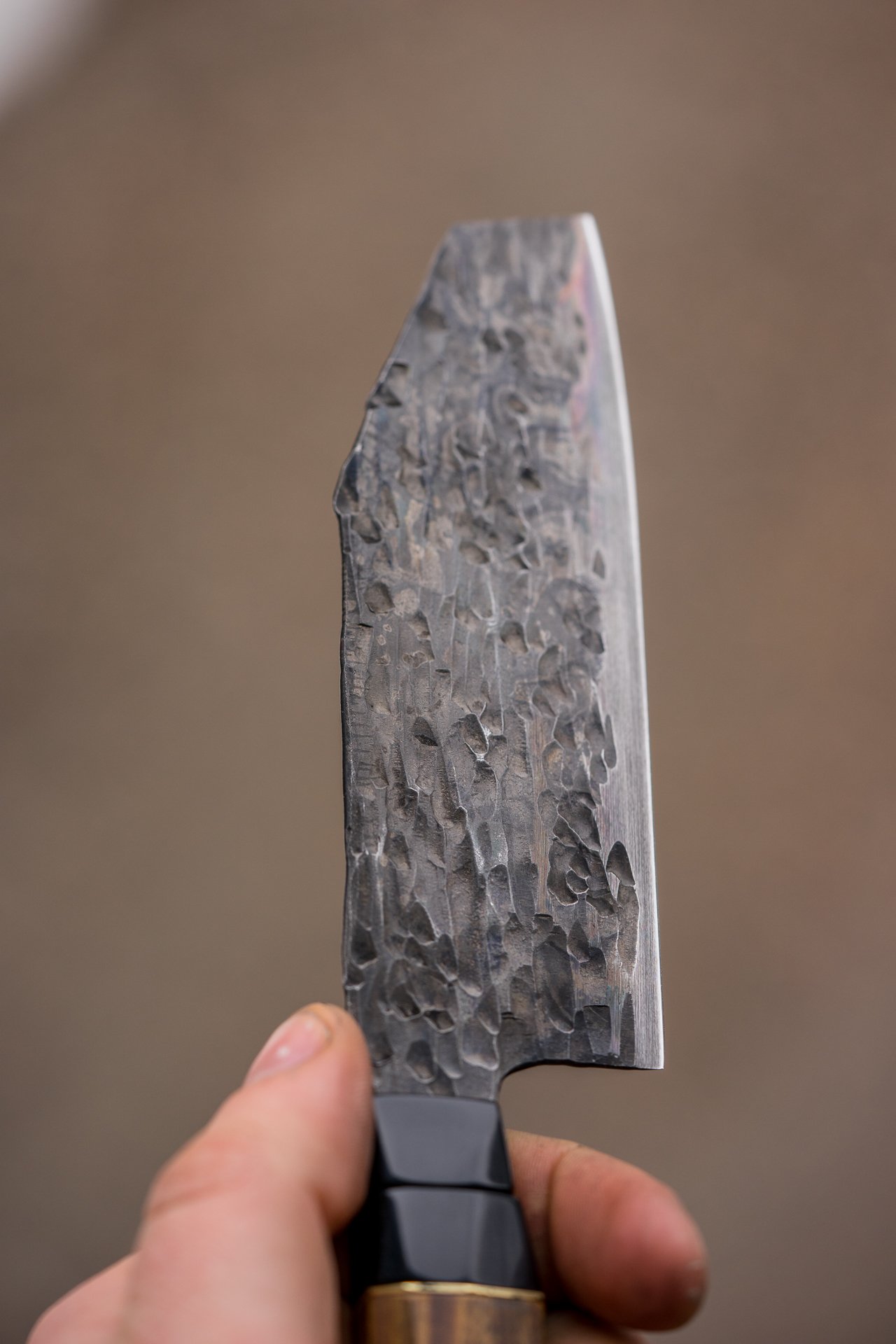 Image 9 of 14
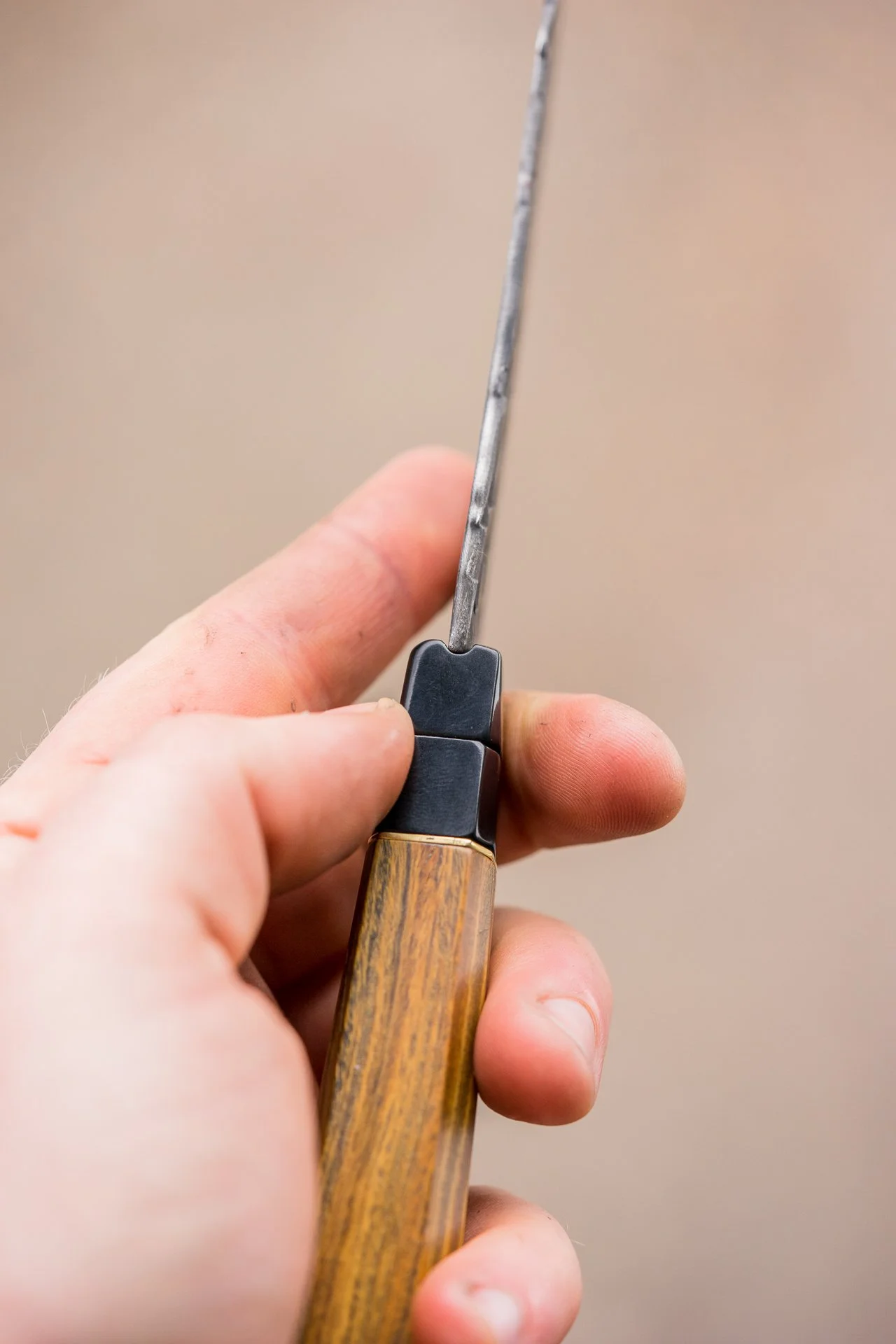 Image 10 of 14
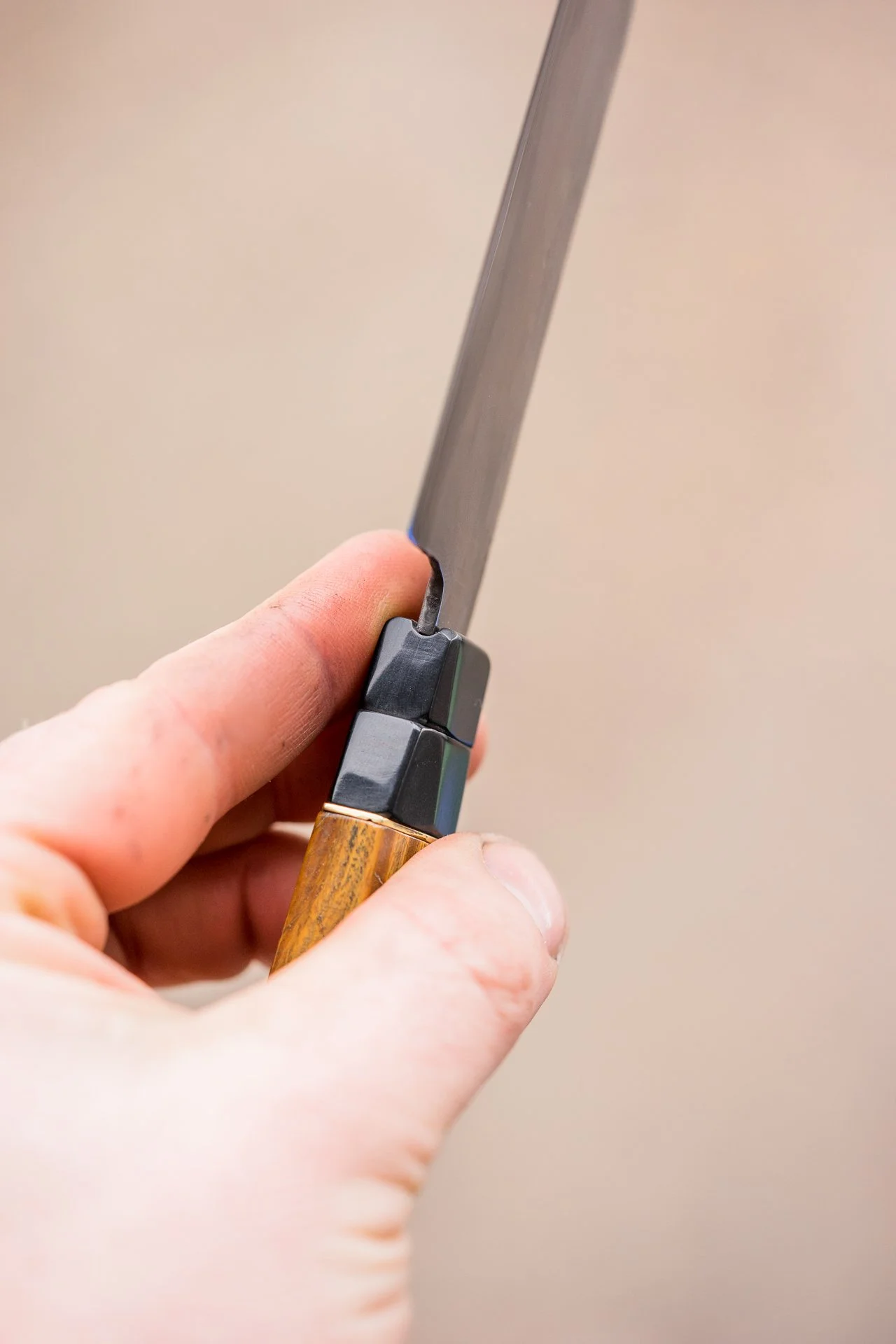 Image 11 of 14
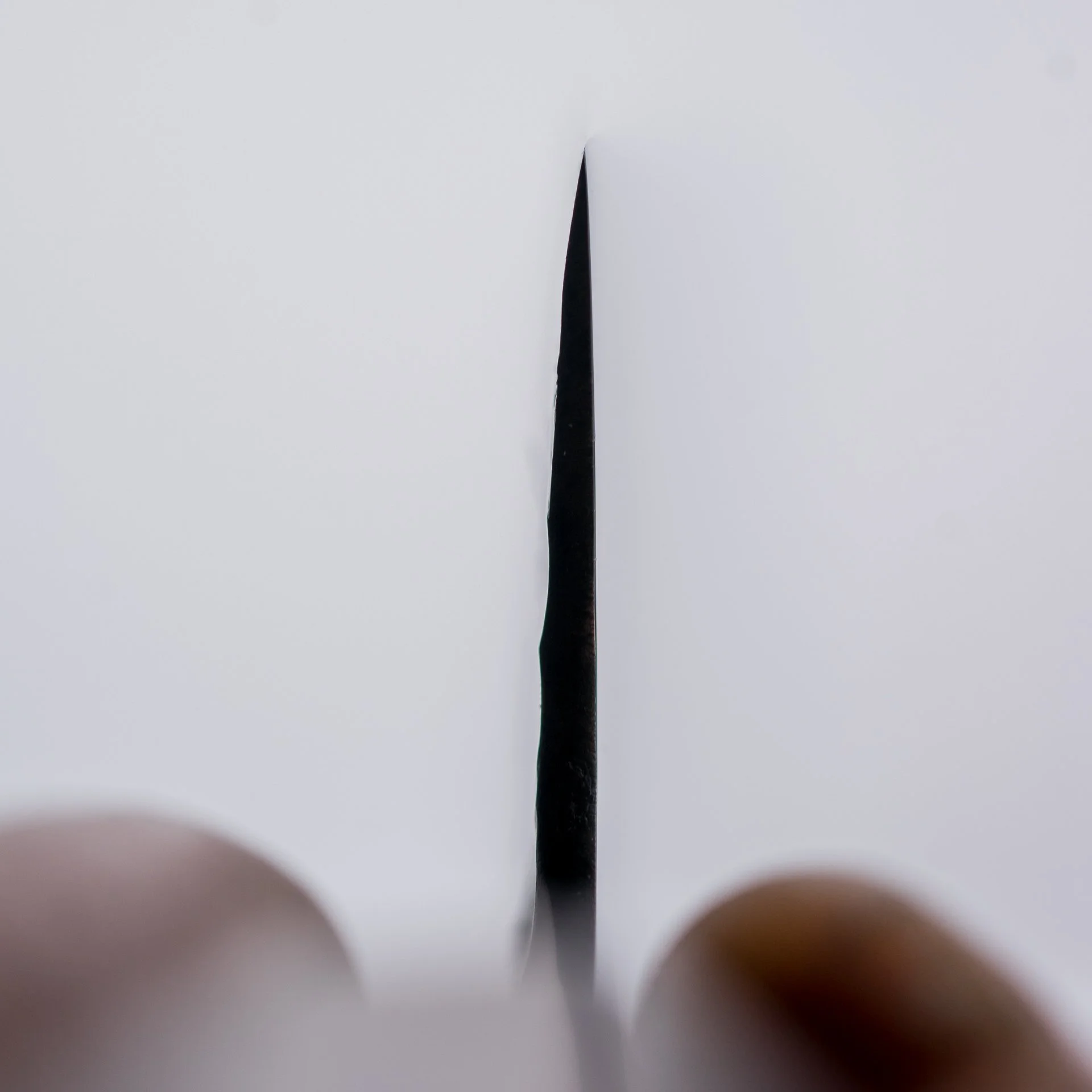 Image 12 of 14
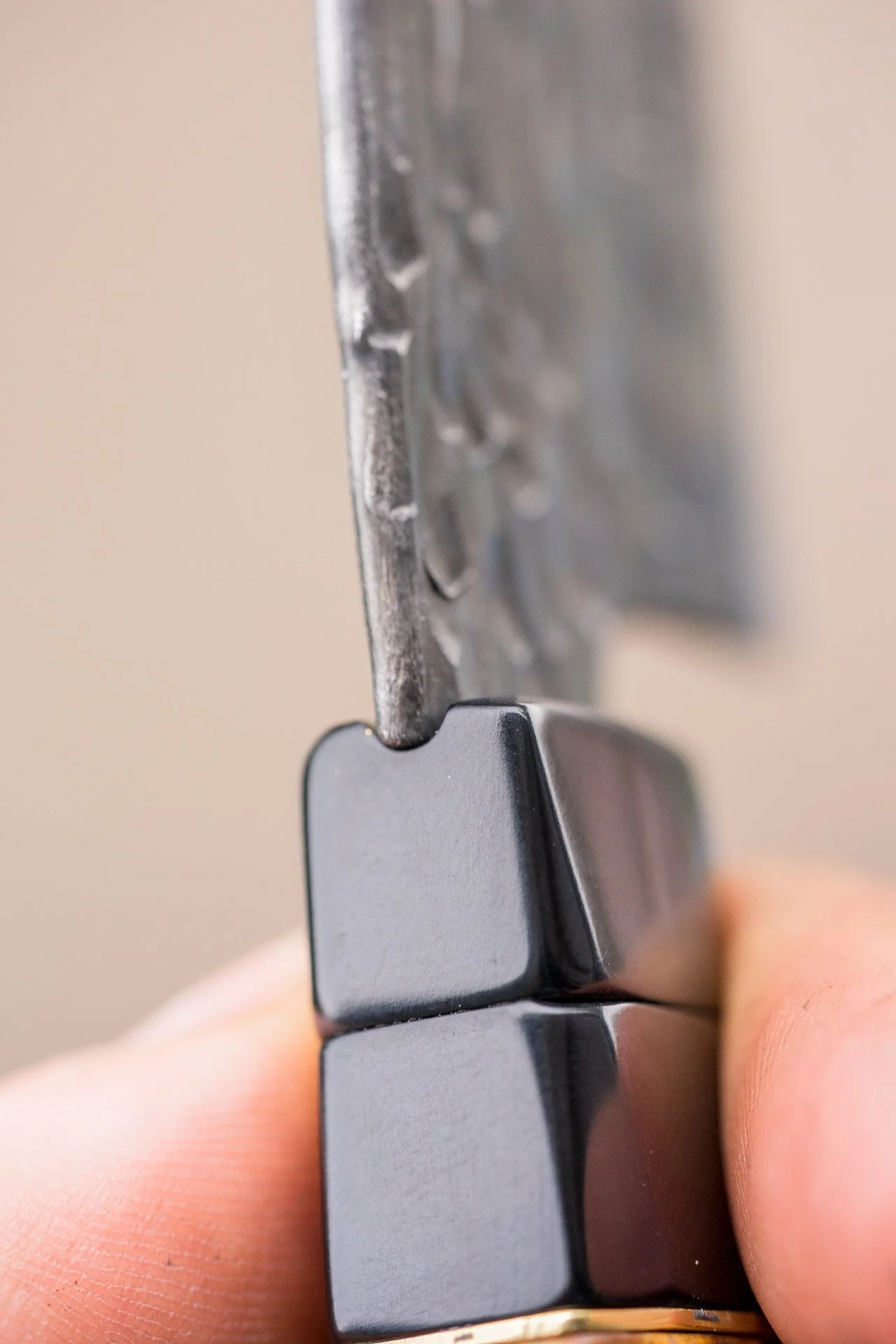 Image 13 of 14
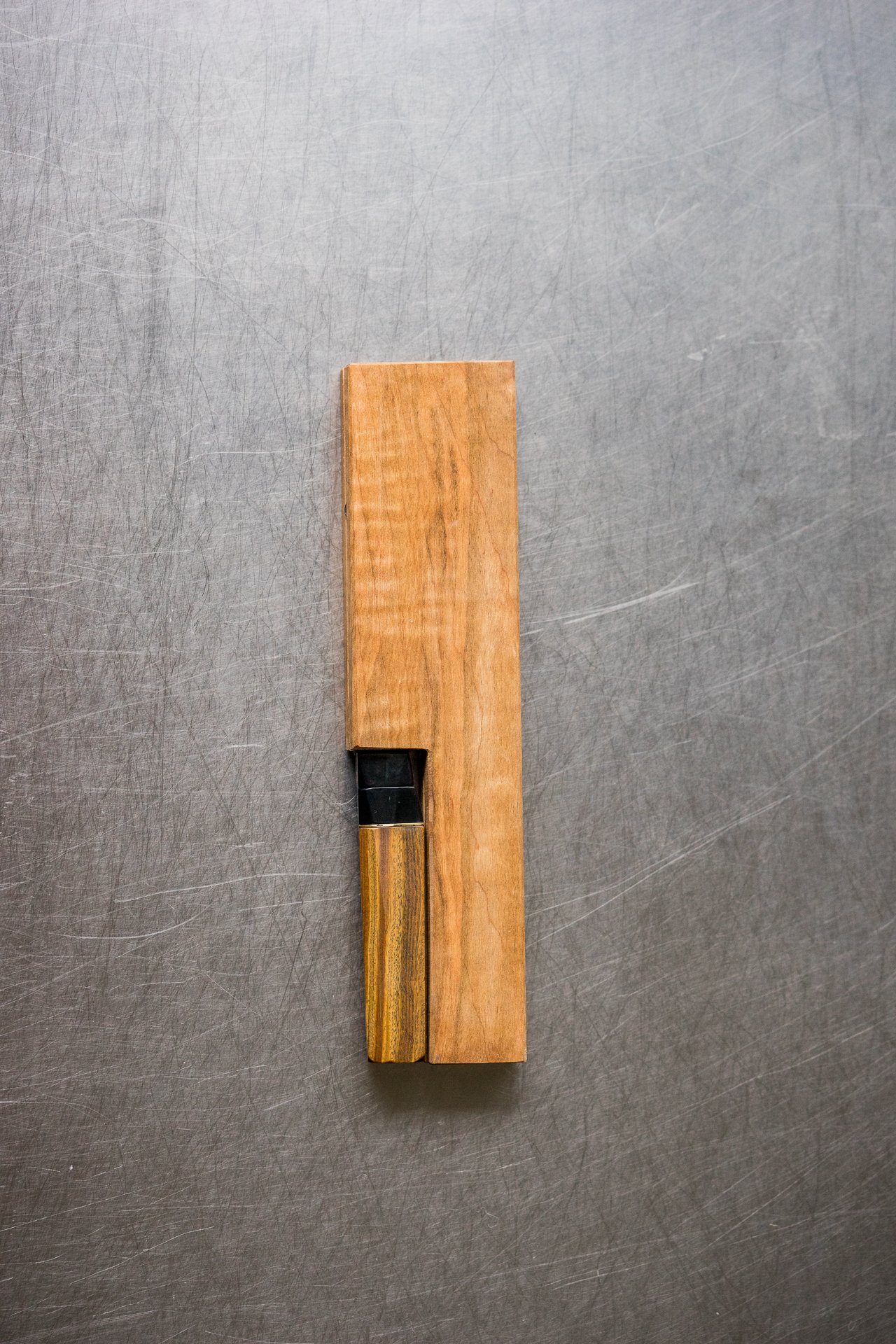 Image 14 of 14